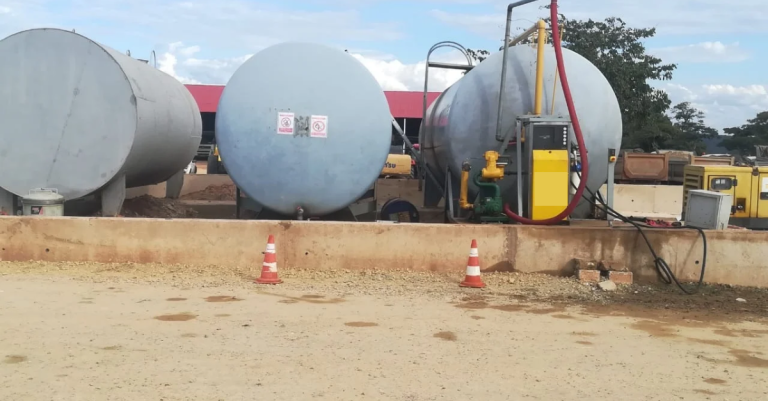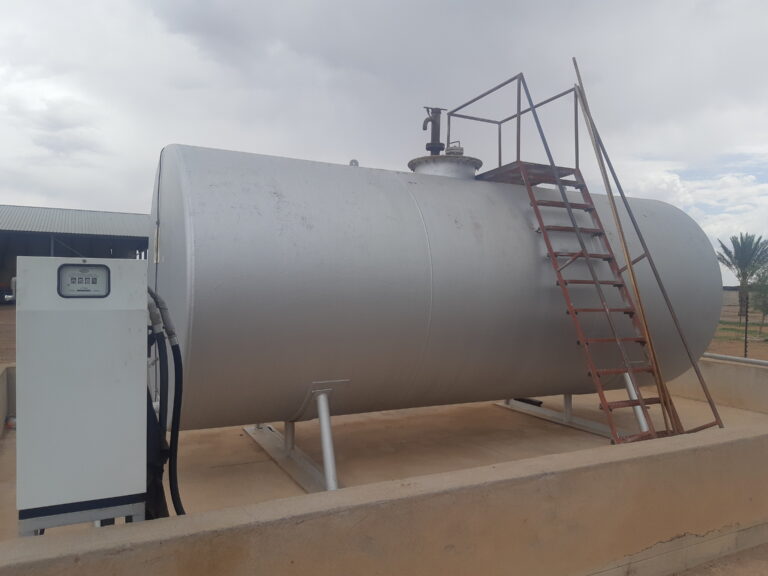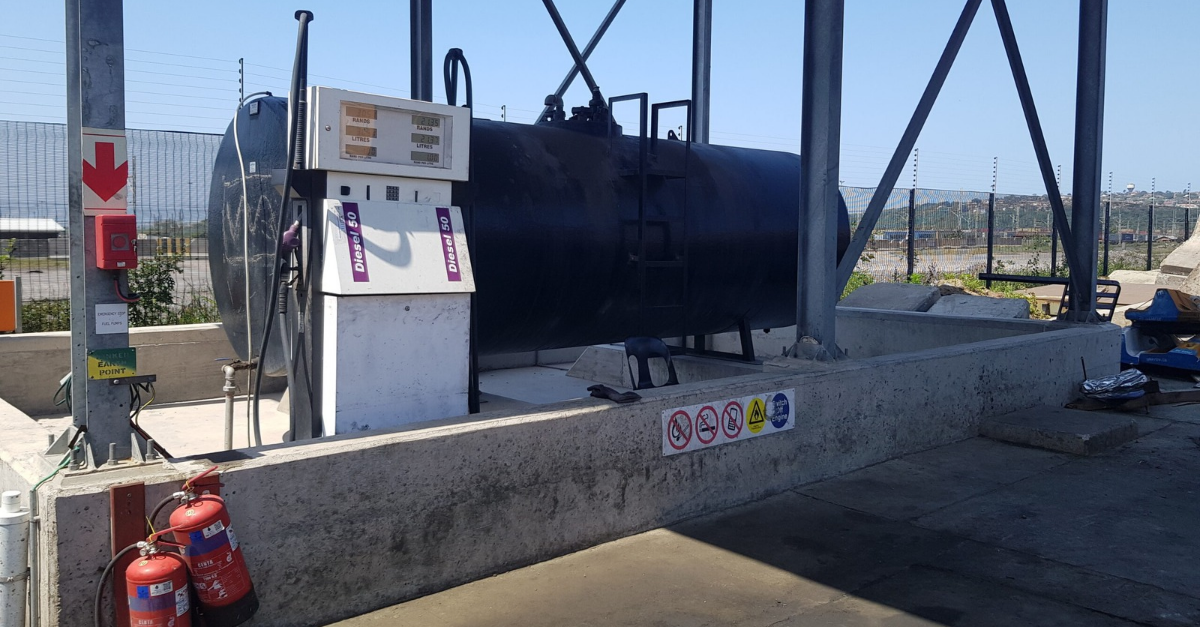
Fuel reconciliation is the simple habit of checking that the fuel you bought matches the fuel you used and the fuel still in your tanks. When the numbers do not line up, the difference tells you that something needs attention, whether that is theft, a leak, a faulty meter or a recording error.
For mines, fleets, farms and forecourts that move thousands of litres of diesel a week, fuel reconciliation is one of the most valuable routines you can put in place. This guide explains the formula, walks through five simple steps and shows you how to read the results.
What Is Fuel Reconciliation?
Fuel reconciliation, sometimes called wet stock reconciliation, compares three sets of numbers for a tank over a set period: how much fuel was in the tank, how much came in and how much went out. If your records are accurate, the result should match the fuel that is physically left in the tank.
Any difference is called a variance. Small variances are normal. Large or repeated variances are a signal to investigate.
The Basic Fuel Reconciliation Formula
Every reconciliation follows the same logic:
Opening stock + Deliveries − Fuel dispensed = Expected closing stock
The difference between expected closing stock and the actual tank reading is your variance.
The example below shows a single day on a site with one diesel tank:
| Line item | Litres | Where the number comes from |
|---|---|---|
| Opening stock | 20 000 | Tank probe reading at the start of the day |
| Deliveries | + 15 000 | Verified delivery (before and after tank readings) |
| Fuel dispensed | − 18 200 | Pump transaction records |
| Expected closing stock | 16 800 | Calculated |
| Actual closing stock | 16 650 | Tank probe reading at the end of the day |
| Variance | − 150 (0.8% of fuel dispensed) | Actual minus expected |
How to Do Fuel Reconciliation in 5 Simple Steps
Step 1: Record opening stock
Take a tank reading at the same time every day, ideally from an electronic tank probe. Consistent timing makes day to day comparisons far more reliable.
Step 2: Verify every delivery
Record the tank level just before and just after each delivery. Compare the difference with the volume on the delivery note so short deliveries are caught on the day.
Step 3: Total the fuel dispensed
Add up every pump transaction for the period. Automatic pump records are far more accurate than handwritten registers, which are easy to forget or alter.
Step 4: Record closing stock and calculate the variance
Take the closing tank reading, calculate expected stock using the formula above and work out the variance in litres and as a percentage of fuel dispensed.
Step 5: Investigate and act
Compare the variance with previous days. If it is outside your normal range or follows a pattern, check deliveries, pump records and tank levels for that period and follow up with the people involved.
What Causes a Variance?
Not every variance means theft. Fuel volume changes with temperature, and small measurement differences are normal. What matters is the size and the pattern of the variance over time.
Normal causes
- Temperature changes between day and night
- Small differences between meter and probe accuracy
- Timing differences, for example a delivery recorded on the wrong day
Warning signs
- Losses that repeat on the same shift, pump or day of the week
- Level drops when no fuel was dispensed
- Deliveries that regularly come in below the delivery note
- Vehicles whose consumption suddenly increases
If you see these patterns, read our guide on how to stop fuel theft for practical controls that close the most common gaps.
Why Daily Fuel Reconciliation Beats Monthly
Many sites only reconcile at month end. By then a small daily loss has added up to thousands of litres, and it is almost impossible to trace back to a specific shift or person.
Daily fuel reconciliation keeps problems small and makes them easy to investigate while memories and records are still fresh. It also builds a history that shows you what a normal variance looks like for each tank.
Fuel Reconciliation on Mines, Fleets and Farms
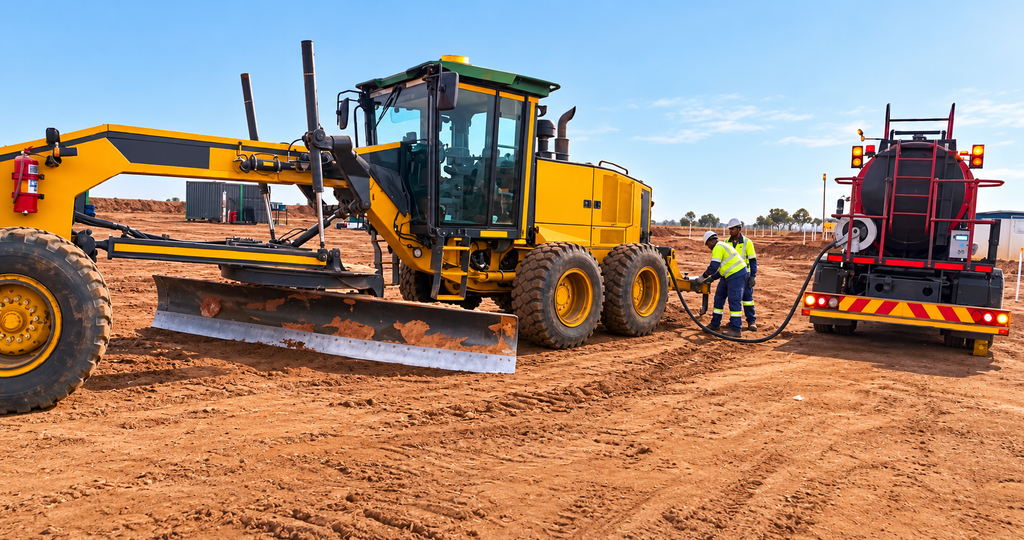
Large diesel users often run several tanks, bowsers and mobile units at once, which makes manual reconciliation slow. Automated mining fuel management and logistics fuel management bring tank, pump and vehicle data into one place so the daily calculation happens for you.
Accurate records also help with compliance. The SARS diesel refund policy requires claimants to keep detailed logbooks covering diesel purchases, storage and usage. Automatic transaction records make those logbooks far easier to maintain and defend in an audit.
What You Need for Accurate Readings
Good results start with good data. A spreadsheet can only be as accurate as the readings that go into it, so it pays to get the basics right before worrying about reports.
- Calibrated tank probes that measure levels electronically and log them with a time stamp
- Pump control that records every transaction against a vehicle, driver or job
- Calibrated meters that are checked on a regular schedule
- Tank calibration charts so level readings convert accurately into litres
- A clear process for who records what, and when
Once these are in place, most of the daily work can run automatically, and your team can spend its time on exceptions instead of paperwork.
Turning Reports into Real Savings
Numbers on a report only save money when someone acts on them. The most successful sites agree a normal variance range for each tank, assign a person to review the daily figures and set a simple rule for what happens when a result falls outside that range.
Over time, these reviews show which sites, shifts and vehicles perform well and which need attention. That insight helps managers plan deliveries better, negotiate with suppliers using hard evidence and budget more accurately for the months ahead.
It also sends a clear message to everyone on site that fuel is tracked closely, which on its own discourages losses.
Common Fuel Reconciliation Mistakes
- Taking readings at different times each day
- Relying on dipsticks instead of calibrated probes
- Recording deliveries from the delivery note instead of tank readings
- Ignoring small variances until month end
- Not separating fuel moved between tanks or bowsers
Avoiding these mistakes makes your numbers more trustworthy and saves hours of investigation later.
Key takeaways
- Fuel reconciliation compares what you bought, what you used and what remains
- Small variances are normal; repeated patterns are the real warning sign
- Daily checks catch losses early and support diesel refund records
- Automation removes manual calculation and makes reports reliable
Fuel Reconciliation FAQs
What is an acceptable fuel variance?
It depends on your tanks, meters and climate. Build a baseline over a few weeks of daily records, then investigate anything clearly outside that normal range.
How often should fuel reconciliation be done?
Daily is best for busy sites. At minimum, reconcile weekly so losses can still be traced to a specific period.
Can fuel reconciliation be automated?
Yes. With tank probes and pump control in place, a fuel management system can calculate and report the reconciliation automatically.
Get Help Setting Up Fuel Reconciliation
SmartFuel helps South African mines, fleets, farms and forecourts automate fuel reconciliation with tank probes, pump control and clear reporting. Tell us about your site using the form below and our team will be in touch.