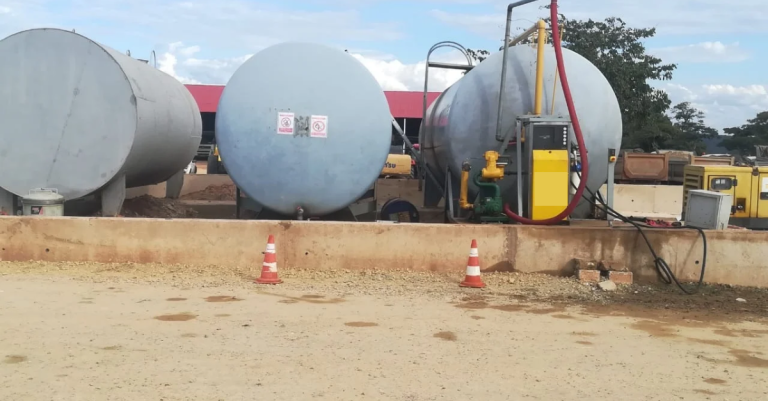
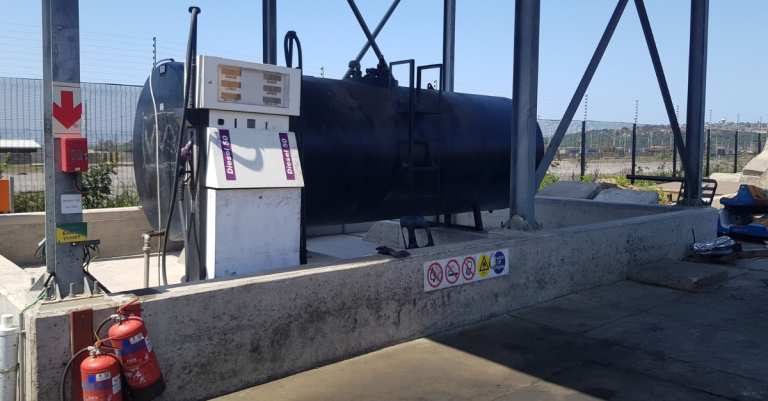
Choosing a fuel management system South Africa operations can rely on comes down to one test. The right provider is the one whose proven capabilities match your fuel controls, reporting needs, site conditions, support requirements and long-term costs. A long feature list or the lowest quote tells you very little about that.
If you are comparing fuel management systems for South African businesses, this guide gives you ten checks to apply, the questions to put to every supplier and a fair way to compare proposals. It is written for the people who carry the problem: mine and fuel managers, farm and fleet operators, forecourt owners, procurement teams and the finance managers who have to make the fuel numbers add up.
Why Choosing the Right Fuel Management Provider Matters
Picture a transport operator with three depots. Diesel is delivered to each one, issued to trucks and recorded in a mix of registers and spreadsheets. At month end, finance compares supplier invoices with what the depots say they dispensed. The numbers do not match. Nobody can say which depot, which day or which vehicle the gap belongs to, and the discussion turns into a debate about whose records to believe. (This is an illustrative scenario, not a SmartFuel client story.)
That is the problem a fuel management system is meant to solve, and it is why provider selection deserves more care than a price comparison. A system that does not fit your operation can leave you with the wrong equipment for your tanks, reports nobody uses, weak access controls, an installation that drags on, staff who work around the system and unclear answers when something fails. You then pay for the system and still reconcile by hand.
It also helps to be precise about what a system can do. There are three different jobs:
- Detecting unusual fuel activity, such as a tank level that drops with no matching transaction.
- Investigating a discrepancy by comparing deliveries, pump records, tank readings and vehicle data.
- Proving that theft occurred, which needs solid records, sound procedures and people who follow up.
Good software makes the first two far easier and gives you better evidence for the third. It does not replace judgement, and it does not eliminate theft. Not every variance is theft either. Temperature changes, meter tolerances and timing errors all produce small differences. Be wary of any provider who suggests otherwise.
10 Things to Check Before Choosing a Fuel Management System Provider
1. Does the provider understand your industry?
A mine controls fuel across depots, bowsers and heavy equipment. A farm has remote tanks, seasonal staff and diesel refund records to keep. A fleet needs accountability per vehicle across several depots. A forecourt sells fuel and must reconcile pumps, shop stock and account customers. A provider with real experience in your sector will ask about these things before quoting.
Ask: Which sites like mine do you support, and what did you have to adapt?
2. Can the system monitor fuel levels and transactions appropriately?
Four different capabilities often get lumped together: tank monitoring (what is in the tank), dispensing records (what left through the pump), authorisation (who was allowed to take it) and transaction reporting (how it is presented to you). Some systems do all four. Others do one or two well. Decide which of the four your operation needs before you read any proposal, then check each one against what is actually offered.
Ask: Which of these four are included in the quote, and which are optional or not available?
3. Can it help identify and investigate fuel discrepancies?
Look for transaction traceability, tank readings that can be compared with dispensing, and exception reports that point you to the right shift, pump or vehicle. The aim is to move from a vague monthly shortfall to a specific question you can investigate on the day. If you want to see how the underlying calculation works, our guide to fuel reconciliation and how to find where your litres go walks through it step by step.
Ask: Show me how an exception is flagged and what record I would have in hand when I investigate it.
4. Does it provide suitable access controls?
Accountability starts with knowing who took the fuel and for which vehicle or machine. Depending on the system, this can involve tags on vehicles, driver tags or cards, or PIN codes. Confirm exactly which methods apply at your site. SmartFuel, for example, describes a tamper-proof RFID tag fitted in the fuel cap area of each vehicle, with the pump stopping if the nozzle is removed. Whatever the provider offers, ask what happens when a tag is lost and who is allowed to change authorisations. Technology also needs procedures around it, and our guide to practical ways to stop fuel theft at a forecourt or depot covers the ones that matter most.
Ask: What stops fuel going into an unauthorised vehicle or container at my pumps?
5. Can you obtain the reports your business actually needs?
List the reports before you shop. Most operations need transaction history, usage per vehicle or machine, tank records, site-level summaries and something management can read in a few minutes. Ask to see real sample reports, not screenshots designed for a brochure, and decide who will review them every week. A report nobody reads protects nothing.
Ask: Can I see a sample of each report I listed, and can I export the data?
6. Can it support your sites and operating conditions?
Remote farms, mine depots, city forecourts and multi-site fleets do not share the same infrastructure. Ask how data reaches the central system, what happens at the pump if a link or power supply fails, how the equipment copes with weather and lightning, and whether it works with the pumps, tanks and fleet platforms you already have. If you operate more than one site, check that user permissions can be set per site and that reporting is consistent across all of them. Do not assume a capability exists because it would be useful. Get it confirmed in writing.
Ask: How does this work at my most difficult site, not my easiest one?
7. What are the installation and implementation requirements?
A site assessment before installation is a good sign. Find out who handles equipment compatibility, installation, commissioning and staff training, and what you are responsible for on site. Timelines vary with the size and condition of each operation, so ask for a schedule in writing and for the factors that could change it.
Ask: What do you need from us before installation, and what could delay it?
8. What ongoing technical support is available?
Fuel systems fail at inconvenient times, such as the middle of a harvest or a busy forecourt shift. Ask how faults are reported, who responds, whether support is remote or on site, what is covered by maintenance and who is responsible when equipment needs repair or replacement. Treat any support promise as something to confirm in the contract, not in a sales conversation.
Ask: If a pump controller fails on a Saturday, what happens next and who pays?
9. What is the total cost of ownership?
The quote is only the start. Add equipment, installation, software or licence fees, maintenance, support, training and the cost of expanding later. Separate one-off costs from recurring ones. Two proposals that look 20 percent apart on the first page can end up much closer, or further apart, once everything is counted.
Ask: Please itemise hardware, installation, software, training, support and any recurring charges.
10. Can the solution scale as your business grows?
You may add sites, tanks, dispensing points, vehicles or users. Ask what expansion costs, what can be added without replacing existing equipment and whether new sites can be brought into the same reporting.
Ask: If we double the number of tagged vehicles or add two sites, what changes in cost and setup?
Quick checklist view
| Check | What good looks like | Evidence to request |
|---|---|---|
| Industry fit | Questions about your operation before a quote | Examples from similar sites |
| Monitoring and transactions | Clear scope for tanks, pumps, authorisation and reports | Written scope of supply |
| Discrepancy investigation | Traceable transactions and exception reports | Live demonstration or sample data |
| Access controls | Fuel only flows to authorised users and vehicles | Description of controls at your pumps |
| Reporting | The reports you listed, exportable | Sample reports |
| Site conditions | Works at your hardest site | Written confirmation per site |
| Implementation | Defined responsibilities and schedule | Installation plan |
| Support | Named process for faults and maintenance | Support terms in the contract |
| Total cost | Itemised one-off and recurring costs | Line-by-line proposal |
| Scalability | Clear cost and process for growth | Expansion pricing |
Fuel Management System South Africa: Questions to Ask a Provider Before Signing
Take this list into every supplier meeting and ask for each answer in writing. Where a provider makes a material performance claim, ask for the evidence behind it. A provider that offers a feature should be able to show it working, and one that does not offer something should say so plainly.
- Experience: Which customers in my industry use the system, and can I speak to one or visit a site?
- Monitoring and dispensing: Which tank monitoring, dispensing control and transaction recording are included at my site?
- Access and authorisation: How are users and vehicles identified, and how are tags or credentials issued, changed and cancelled?
- Reporting and reconciliation: Which reports are standard, which are custom, and how is dispensed fuel reconciled with tank levels?
- Compatibility: Will it work with my existing tanks, pumps and fleet or accounting systems, and what needs replacing?
- Connectivity: How does the system behave at remote or poorly connected sites?
- Installation and training: Who installs, who trains my team and how many people are covered?
- Support and maintenance: What is covered, how are faults reported and what response can I expect?
- Cost: What is the full cost over the first few years, including recurring charges?
- Growth: What does adding sites, tanks, vehicles or users cost?
- Data: Who owns my data, and can I export transaction records and reports if I need to?
- Contract: What are the term, renewal conditions, exclusions and exit arrangements?

How to Compare Fuel Management System Providers in South Africa
Comparing proposals fairly takes some preparation. This order works for most businesses:
- Document how fuel is handled today, including where it is stored, who dispenses it, how it is recorded and where the main problems are.
- Decide what you need in monitoring, controls and reports, and separate essentials from nice-to-haves.
- Assess your sites and equipment, including tank types, pumps, connectivity and the conditions at each location.
- Request comparable proposals from suitable providers using the same written brief.
- Compare implementation, support and total cost of ownership, not just the headline price.
- Verify claims through demonstrations, documentation or references from similar operations.
- Confirm scope, exclusions and responsibilities before you sign.
Use a simple scoring table so every provider is judged on the same basis. Score each criterion from 1 to 5 and add notes on the evidence behind each score.
| Criterion | What to compare | Provider A | Provider B | Provider C |
|---|---|---|---|---|
| Industry fit | Experience in your sector and site type | |||
| Monitoring | Tank levels and dispensing records included | |||
| Access controls | Authorisation methods and who manages them | |||
| Reporting | Required reports, exports and access by site | |||
| Implementation | Responsibilities, schedule, training | |||
| Support | Maintenance, fault process, response expectations | |||
| Total cost | Equipment, install, software, support, expansion | |||
| Scalability | Cost and effort of adding sites, tanks, users |
Common Mistakes to Avoid When Choosing a Provider
None of these are unusual. They are simply easier to avoid once you know about them.
- Choosing the lowest upfront price. Installation, support and software fees can change the picture.
- Buying more than you need. Features nobody uses add cost and training time.
- Overlooking compatibility. Check the tanks, pumps, fleet systems and sites you already have.
- Assuming monitoring stops all theft. It makes loss visible and traceable. People and procedures still matter.
- Ignoring training and adoption. A system staff work around gives you poor data.
- Not defining the reports you need. Agree them before the contract, not after installation.
- Accepting savings claims without asking how they were measured. Ask for the methodology and a comparable site.
- Skipping the support conversation. Know who responds when something fails.
- Choosing a system that does not suit remote or multi-site operations. Test the hardest site first.
- Leaving installation and maintenance responsibilities vague. Put them in writing.
Which Type of Fuel Management System Does Your Business Need?
The technology is similar across sectors. The priorities are not.
Mining operations
Mines run depots, fuel trucks and heavy equipment across wide areas, so control at the tank and dispensing point and accountability per machine matter most. Look for systems that record volumes and machine hours per vehicle and support inventory reconciliation. SmartFuel’s mining fuel management page describes depot and fuel truck control along these lines. Confirm what applies at your own sites.
Agriculture

Farms usually have remote bowsers or mobile tanks, seasonal staff and diesel refund records to maintain. A system should fit those conditions and produce records that show where each litre went. From 1 April 2026, SARS allows on-land primary sector claimants in farming, forestry and mining to claim a refund on 100 percent of eligible diesel, and diesel refund registration is being separated from VAT onto a dedicated eFiling platform that was implemented on 18 September 2026. Existing users must register on it, because registration is not automatic.
SARS also requires purchase documents and logbook entries showing eligible and non-eligible use to be kept for five years, and a claim is not an automatic entitlement. Details are on the official SARS Diesel Refund Scheme page. A system can help you keep accurate records, but it does not decide eligibility or make you compliant.
SmartFuel’s agricultural fuel management page describes an online diesel logbook, so ask any provider what records their system actually produces and what remains your responsibility.
Logistics and fleets
Fleets need to tie each litre to a vehicle and a driver, across several depots, and to see usage without chasing paper. Ask whether fuel data can flow into the fleet or telematics platforms you already use. SmartFuel’s logistics fuel management page lists integration with fleet platforms such as Key Fleet and MiX Telematics. Check that your specific platform is supported.
Fuel stations and forecourts
Forecourts sell fuel as well as store it, so stock visibility, pump transactions, attendant accountability and account customer control all matter. Look at how pumps, tanks, shop stock and payments connect. SmartFuel’s forecourt fuel management page covers real-time tank monitoring, attendant reports and pump-level control of account customers. A single provider covering fuel and shop saves some integration work, but check the scope.
What About Fuel Management Costs and Return on Investment?
No honest article can give you a single price, because cost depends on the number of tanks, dispensing points, vehicles and sites, the equipment needed, installation conditions, integrations and the support arrangement. SmartFuel states that pricing is customised to each operation, and most providers work the same way.
Rather than chasing savings percentages, ask what a system is worth to your operation. Consider:
- Time spent on manual reconciliation each week.
- Whether you could investigate an unexplained variance today, and how quickly.
- Administrative workload at head office and on site.
- Visibility across your sites.
- The controls you need and whether you can use the reports effectively.
- The full implementation and operating cost.
Actual outcomes depend on your operation, your existing processes, the implementation and how well the system is used. Treat any provider’s published savings figures as claims to test against your own data. Our guide to what a fuel management system costs and how to calculate ROI shows how to build that calculation from your own numbers.
Why Consider SmartFuel for Your Fuel Management Requirements?
You should be able to judge any provider against the ten checks above, including SmartFuel. Here is what SmartFuel states publicly, which you can verify on its website.
- Experience: SmartFuel is a South African company headquartered in Johannesburg, in business since 1996, and states that its system is used at more than 600 sites.
- Sectors: It provides systems for agriculture, mining, logistics and forecourts.
- Installation: It describes a wireless connection that reduces cabling, and lightning-proof technology designed for harsh conditions.
- Controls and reporting: Its published features include tank level monitoring, instant transaction reports, dry and wet stock management, attendant productivity reports and tamper-proof RFID vehicle tags.
- Ways to start: Its enquiry forms offer a brief overview email, a 10-minute discovery call, a 30-minute strategic call or a 60-minute onsite needs analysis.
For a worked example on the forecourt side, SmartFuel’s Croydon Service Centre case study describes a site where about 45 percent of sales came from debtor accounts and how the manager moved those customers to prepaid fuel accounts. Results at one site do not predict results at another, so treat it as an example of how the system was used, not a forecast.
If you are weighing it against other providers, take the checklist below to SmartFuel and ask for the same written answers you would expect from anyone else.
Your Fuel Management Provider Selection Checklist
- ☐ Business requirements documented
- ☐ Industry-specific needs understood by the provider
- ☐ Tank monitoring and dispensing capabilities confirmed in writing
- ☐ Access controls and reporting requirements checked against samples
- ☐ Equipment and connectivity requirements assessed for every site
- ☐ Installation and training responsibilities confirmed
- ☐ Support and maintenance arrangements understood
- ☐ Full cost of ownership reviewed, including recurring charges
- ☐ Expansion requirements considered
- ☐ Contract terms, exclusions and exit arrangements reviewed
- ☐ Performance claims supported by evidence
Frequently Asked Questions
What should I look for in a fuel management system provider in South Africa?
Look for proven fit with your industry, clear scope for tank monitoring, dispensing control and reporting, suitability for your site conditions, defined installation and training, written support terms and an itemised total cost. Ask for demonstrations or references from similar operations, and get every important answer confirmed in writing before you sign.
How much does a fuel management system cost in South Africa?
There is no standard price, because cost depends on the number of tanks, dispensing points, vehicles and sites, the equipment, installation conditions, integrations and support. Most providers, including SmartFuel, quote per operation. Ask for an itemised proposal covering hardware, installation, software, training and recurring charges so you can compare quotes properly.
Can a fuel management system help prevent diesel theft?
It can make theft harder and easier to detect by controlling who can dispense fuel, recording every transaction and comparing dispensing with tank levels. It does not eliminate theft on its own. Supervised deliveries, clear procedures, regular reviews and prompt follow-up of exceptions still matter.
What is the difference between fuel monitoring and fuel management?
Fuel monitoring tracks what is in a tank, usually the level and changes over time. Fuel management goes further by controlling and recording dispensing, linking each litre to a vehicle or user and reconciling those records with tank levels. Confirm which one a quote actually covers.
Which fuel management system is suitable for mining operations?
Look for a system that controls dispensing at depots and bowsers, records volumes and machine hours per vehicle and supports inventory reconciliation across tanks and fuel trucks. Check that it works in your site conditions. SmartFuel describes a mining solution with these functions, and any provider should demonstrate them for your sites.
Can a fuel management system manage multiple sites?
Many can, but capability varies. Ask whether tanks and dispensing points at different sites report into one view, whether user permissions can be set per site and whether reporting is consistent everywhere. Check connectivity at each site, because remote locations may differ from a depot with reliable infrastructure.
Does a fuel management system help with fuel reconciliation?
Yes, if it records every dispensing transaction and tank reading. Reconciliation compares opening stock plus deliveries minus fuel dispensed with the actual tank level, and automation removes most of the manual calculation. You still need someone to review the variances and follow up anything outside your normal range.
Can a fuel management system support SARS diesel refund record-keeping requirements?
It can help you keep records, but it does not make you eligible or compliant by itself. SARS requires purchase documents and logbook entries showing eligible and non-eligible use to be kept for five years, and claims can be verified. Confirm eligibility and requirements with SARS or a tax practitioner.
How do I compare fuel management providers beyond price?
Score each provider on the same criteria: industry fit, monitoring, access controls, reporting, implementation, support, total cost and scalability. Request itemised proposals against one written brief, verify claims through demonstrations or references, and confirm scope, exclusions and responsibilities in the contract.
Conclusion: Choose a Provider That Fits Your Operation
The right provider is the one whose verified capabilities, implementation approach, reporting, support and costs match your real requirements. Start by documenting how fuel moves through your business today and where you cannot account for it, then measure every proposal against that picture.
If you want to see how SmartFuel’s fuel management solutions could fit your mine, farm, fleet or service station, contact SmartFuel and tell the team which of the ten checks matter most to you.